Websites for New York businesses built to local rules
New York
Delivered remotely from Islamabad, Pakistan
What a New York brief has to cover
Finance, health care and life sciences, technology, real estate and insurance form the base of New York's economy. The city also has an unusual concentration of law, accountancy, banking and consulting firms, is a leading center for advertising and media, and has a growing creative sector in fashion, design and architecture. A 2019 State Department of Labor report on the city's significant industries ranges from construction and online retail through information, finance, professional services, education and health care to hospitality.
We plan every New York brief on the assumption that the buyer is comparing several suppliers before getting in touch. Before any design work starts, each service, product or listing page is mapped to the questions a buyer asks, in the order they ask them, so the site can make the case without a sales call to fill the gaps. Case studies, team pages and enquiry forms are part of that same path.
Selling online changes the brief again. The same Labor Department report notes that the customers of the city's online retailers are not limited to the New York area, so shipping options, returns and customer accounts have to work for buyers in other states from launch day.
The rules that reach your pages
New York's SHIELD Act requires businesses that hold New York residents' private information to maintain reasonable administrative, technical and physical safeguards. The statute's definition of private information includes a username or email address combined with a password that gives access to an online account, which is exactly what a site with customer logins stores. We collect only the fields a form needs, set role-based admin access, turn on multi-factor sign-in for the CMS and hosting accounts we configure, and document where each form sends its data so your IT lead or counsel can review it.
Under Title III of the ADA, businesses open to the public must give people with disabilities full and equal enjoyment of their goods and services, and the Justice Department's web guidance names WCAG as helpful technical guidance. The city's Human Rights Law separately bars disability discrimination by public accommodations such as stores, restaurants and hospitals. We design and test against WCAG: keyboard paths, visible focus, contrast, labelled fields, alt text and captions.
The city's Department of Consumer and Worker Protection enforces rules that land directly on web pages. Its Click to Cancel rule, in effect from October 1, 2026, requires subscription terms to be disclosed clearly before sign-up, cancellation through the same method used to enrol, and advance notice before certain renewals, price changes and the end of longer free trials, with civil penalties starting at $525 per violation. The FARE Act requires landlords and their agents to disclose tenant-paid fees in listings, and the hotel junk fee rule in force since February 21, 2026 requires the total price of a stay, mandatory fees included, wherever a room price is shown. In a build, these become a self-serve cancel flow with scheduled notices, required fee fields in listing templates and all-in rates across a booking flow.
Two more affect specific projects. New York sales tax is a destination tax, with local rates added to the 4% state rate, so we set checkout tax by delivery address. And if a hiring portal or web app uses an automated tool to screen candidates for jobs in the city, Local Law 144 bars its use unless the tool has had a bias audit within the past year, the audit results are public and candidates are given notice. We raise this at scoping. We build to these rules; your attorney or accountant confirms how they apply to you.
Planning a second language
The City of New York lists Arabic, Bengali, Chinese, French, Haitian Creole, Korean, Polish, Russian, Spanish and Urdu as the top languages on its own website. That list serves the City's services, not yours, but it is a practical starting point for a clinic, law firm, landlord or restaurant group deciding which second language to support.
We build multilingual sites with a separate URL for each language, hreflang tags, translated metadata and forms that route enquiries by language. Arabic and Urdu run right to left, so those versions get mirrored layouts rather than translated text dropped into a left-to-right template. Who supplies and approves each translation is agreed in the scope.
How the work runs from Islamabad
Xsofty is based in Islamabad and has no New York office; New York projects run remotely. Islamabad is nine hours ahead of New York during daylight time and ten hours ahead in winter, so review calls sit in your morning and our evening, and comments sent at your close of business arrive before our working day begins.
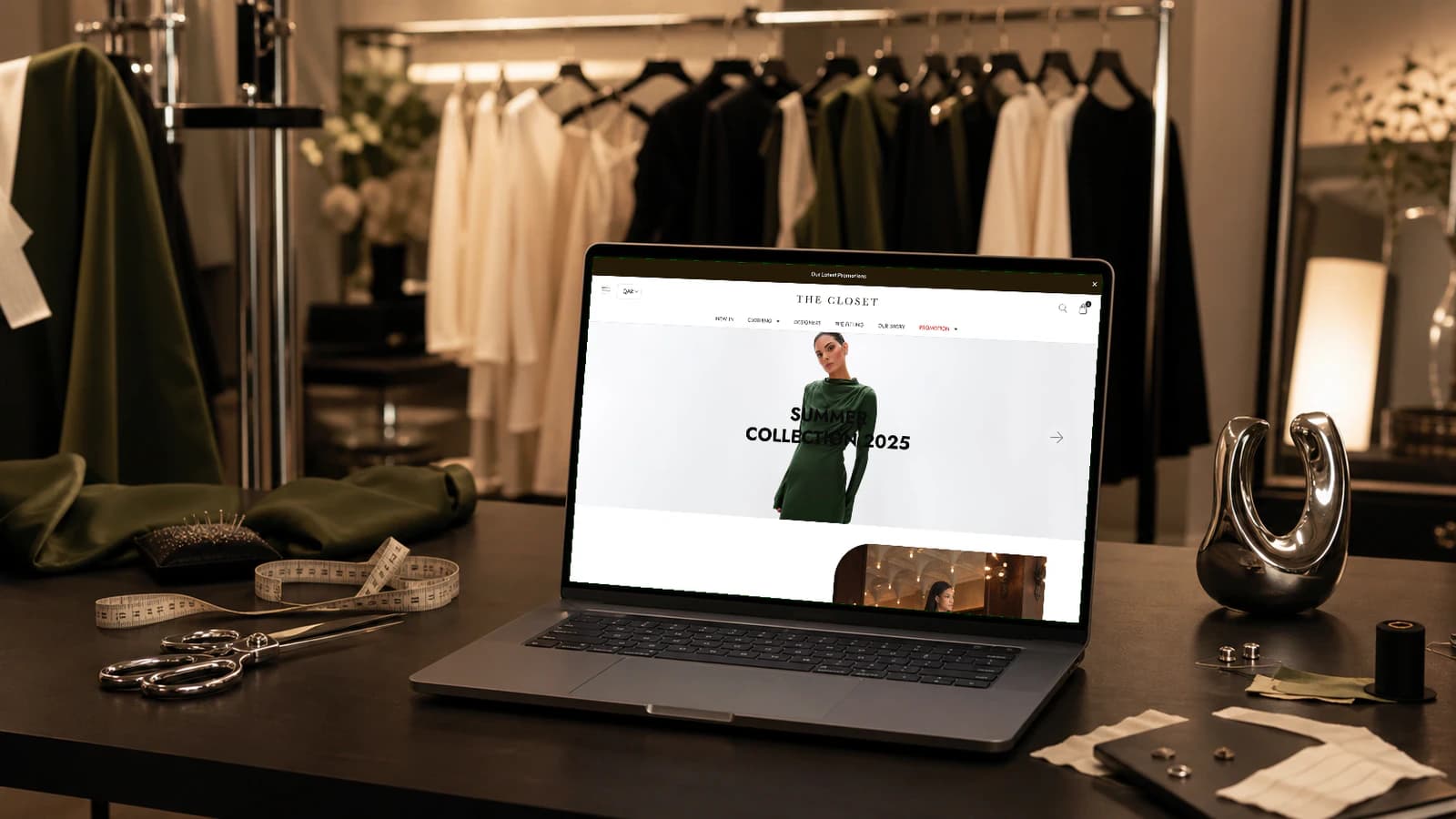
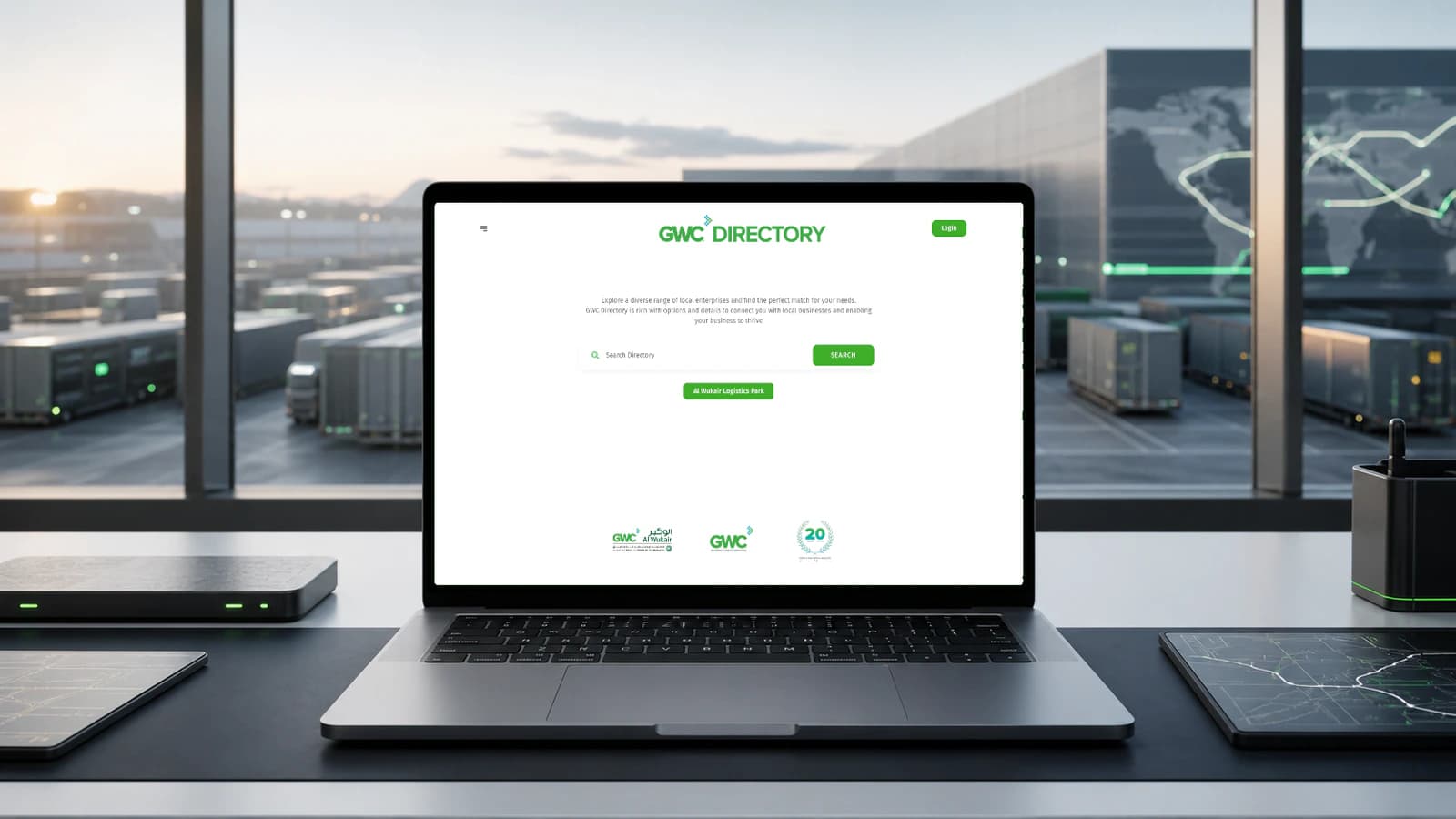
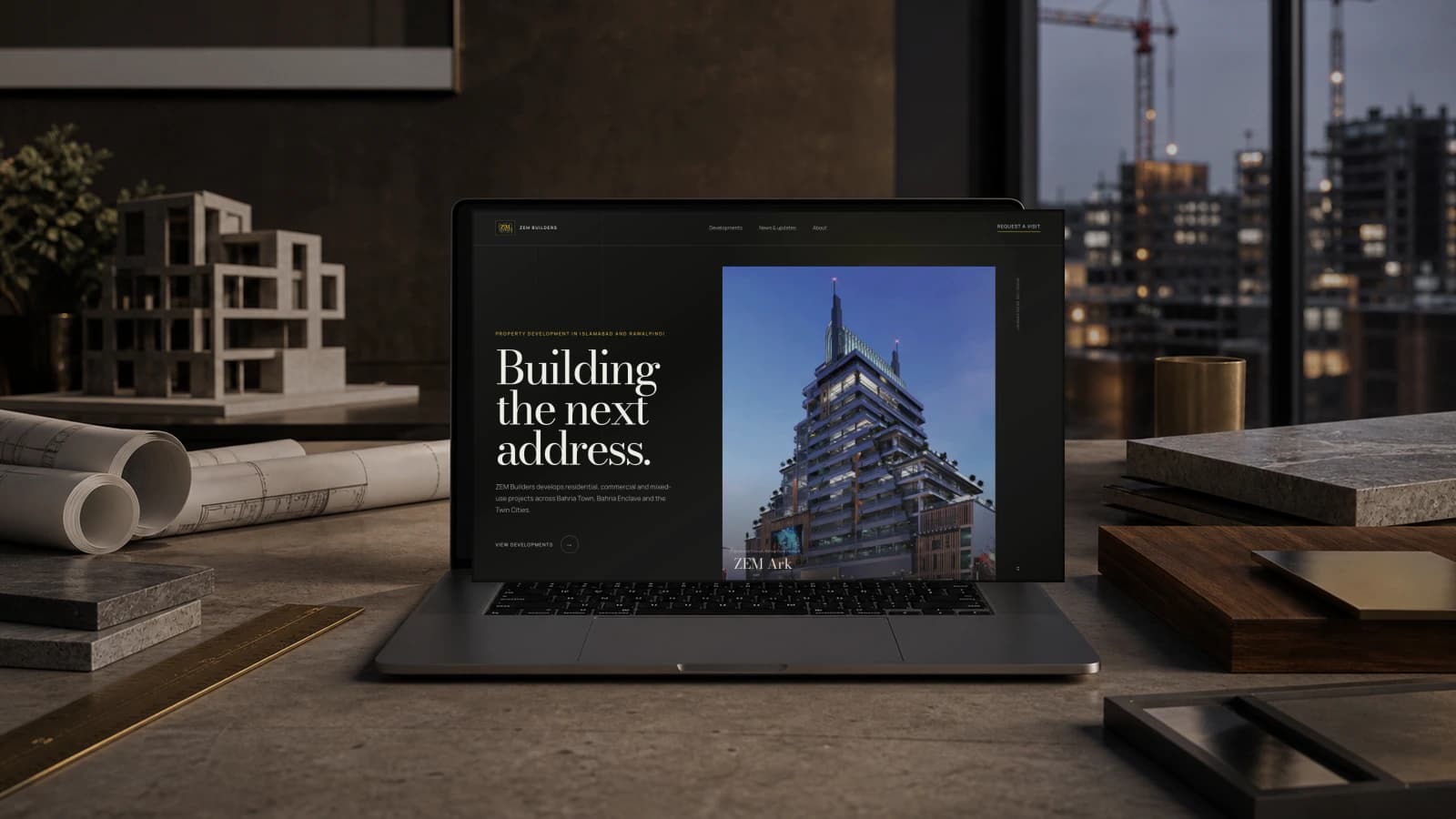
Projects run in written stages covering scope, structure, design, build, QA and launch, with each decision recorded. Our published work does not yet include a confirmed New York client. The closest comparisons are The Closet, a fashion storefront for a Qatar retailer; GWC Directory, a searchable logistics directory for a Qatar client; real estate websites for Pakistani developers; and Docusafe, a technology website that explains a specialist service to decision-makers.
Pricing is in US dollars. Packages start from USD 1,490 (Launch), USD 2,950 (Growth) and USD 4,900 (Commerce), with larger builds by proposal. Care plans at USD 39, 79 or 149 a month keep the site maintained after launch.
Islamabad to New York
11,080 km from our team in Islamabad.
Working across time zones.
Review calls are held in the New York morning, which is evening in Islamabad, and feedback you send at close of business is waiting before the Islamabad working day starts.
Islamabad runs on Pakistan Standard Time (UTC+5) all year, with no daylight saving. New York observes Eastern Daylight Time (UTC-4) from the second Sunday in March to the first Sunday in November (8 March to 1 November in 2026; 14 March to 7 November in 2027) and Eastern Standard Time (UTC-5) the rest of the year. Islamabad is therefore 9 hours ahead of New York during EDT and 10 hours ahead during EST. During EDT, 9:00-12:00 in New York is 18:00-21:00 in Islamabad; during EST the same window is 19:00-22:00. A message sent at 17:00 New York time reaches Islamabad at 02:00 (EDT) or 03:00 (EST) the next day.
What a build in New York needs.
SHIELD Act data safeguards
New York's SHIELD Act expects reasonable administrative, technical and physical safeguards for New York residents' private information, which includes a username or email address with a password that opens an online account. We keep form fields to what is needed, use role-based admin access and multi-factor sign-in on the accounts we set up, and hand over a note showing where each form and integration sends data.
Accessibility under the ADA
ADA Title III covers businesses open to the public, and the Justice Department's web guidance points to WCAG; the city's Human Rights Law separately bars disability discrimination by public accommodations. We design and run QA against WCAG, covering keyboard use, focus, contrast, labels, alt text and captions, and record what was tested at launch.
Click to Cancel for subscriptions
From October 1, 2026, the city's rule requires clear subscription terms before sign-up, cancellation through the same method as enrolment, and advance notice before certain renewals, price changes and free-trial ends. For subscription stores, memberships and SaaS accounts we build a self-serve cancel path, scheduled notice emails and terms shown before payment.
Fee and price disclosure
The FARE Act requires tenant-paid fees to be disclosed in rental listings, and the city's hotel junk fee rule requires the total price of a stay, mandatory fees included, wherever a price is shown. Listing templates get required fee fields, and hotel booking flows show all-in rates from the first price onward.
Destination-based sales tax
New York sales tax is a destination tax: the 4% state rate plus local rates that vary by county and city. We configure Shopify or WooCommerce tax by delivery address and test it with addresses in different jurisdictions before launch.
What Xsofty can build for New York clients.
Web Design & Development
High-performance websites shaped around your brand, your audience, and the outcomes that matter.
- Strategy
- Next.js
- CMS
E-Commerce Development
Fast, frictionless storefronts that turn discovery into purchase across every screen.
- Shopify
- WooCommerce
- Conversion
Custom Web Apps & AI Integrations
Purpose-built platforms and useful AI workflows that remove friction from complex operations.
- Web apps
- Automation
- AI
Website Maintenance & Care Plans
Proactive updates, monitoring, and support that keep your digital presence secure and performing.
- Support
- Security
- Performance
Who we build for in New York.
Financial services and fintech
Plain explanations of complex products, secure client logins with safeguards planned around the SHIELD Act, and pages that compliance teams can review before launch.
Law, accountancy and consulting firms
Practice-area and partner pages that answer a buyer's questions in order, accessible enquiry forms, and routing that sends each request to the right team.
Fashion and retail brands
Storefronts with strong product presentation, checkout tax set by delivery address, and subscription or membership flows that can be cancelled the same way they were joined.
Real estate and property management
Listing and project templates with required fee-disclosure fields, fast-loading galleries and floor plans, and lead capture connected to a CRM.
Hotels, restaurants and hospitality
Hotel booking pages that show the all-in rate, mandatory fees included, wherever a price appears; menus and guest information in a second language where needed; and accessible reservation flows.
Media, advertising and creative businesses
Portfolio and editorial systems that stay fast with heavy imagery and video, on a CMS the team can publish from without developer help.
Relevant work
Xsofty's published work does not yet include a confirmed New York client; the closest comparisons are a fashion storefront and a logistics directory for Qatar clients, real estate websites for Pakistani developers, and a technology company website.

Questions from New York clients.
No. Xsofty is based in Islamabad, Pakistan, and takes on New York projects remotely. Calls and reviews are scheduled in New York working hours, and every decision is recorded in writing.
More in United States
Sources for this page (16)
- Finance, health care and life sciences, high technology and biotechnology, real estate and insurance form the basis of New York City's economy; the city has high concentrations of law, accountancy, banking and management consultancy firms, is the top global center for advertising and the nation's most important center for mass media, and creative industries such as fashion, design and architecture account for a growing share of employment. en.wikipedia.org (opens in a new tab)
- The NY State Department of Labor's 2019 significant industries report for New York City covers construction; trade (nonstore retailers, including online shopping); information; financial activities; professional and business services; educational services; health care and social assistance; and leisure and hospitality. It notes that customers of electronic shopping businesses are not limited to the New York City area. dol.ny.gov (opens in a new tab)
- The SHIELD Act requires any person or business that maintains private information to adopt reasonable administrative, technical and physical safeguards, and it expanded private information to include biometric information, username or email address, and password credentials. ag.ny.gov (opens in a new tab)
- GBS 899-AA defines private information to include a user name or email address in combination with a password or security question and answer that would permit access to an online account; breach notice is owed to New York residents. nysenate.gov (opens in a new tab)
- ADA Title III requires businesses open to the public to provide full and equal enjoyment of goods and services to people with disabilities; DOJ web guidance (March 2022) names WCAG and the Section 508 Standards as helpful technical guidance. ada.gov (opens in a new tab)
- The New York City Human Rights Law prohibits discrimination in public accommodations such as restaurants, stores and hospitals; disability is a protected class. nyc.gov (opens in a new tab)
- NYC's Click to Cancel rule takes effect October 1, 2026, is enforced by DCWP, requires clear subscription terms and cancellation in the same method as sign-up, with civil penalties starting at $525 per violation. nyc.gov (opens in a new tab)
- The Click to Cancel rule requires material terms to be disclosed before consent, cancellation through the same avenues as enrollment, and notices 15-45 days before the cancellation deadline for renewals of subscriptions with an initial term of one year or more, 5-30 days before material changes, and 3-21 days before the deadline after free trials over one month. skadden.com (opens in a new tab)
- The FARE Act (Local Law 119 of 2024, effective June 11, 2025) requires landlords or their agents to disclose tenant-paid fees in listings and rental agreements; DCWP's Hotel Junk Fees Rule took effect February 21, 2026. nyc.gov (opens in a new tab)
- The hotel junk fee rule makes it a deceptive trade practice to offer, display or advertise a hotel price without clearly and conspicuously disclosing the total price of the stay, including all mandatory fees, and requires disclosure of credit card holds. nyc.gov (opens in a new tab)
- NYC Local Law 144 of 2021 prohibits employers and employment agencies from using an automated employment decision tool unless it has had a bias audit within one year, audit information is publicly available, and notices are given to candidates; enforcement began July 5, 2023. nyc.gov (opens in a new tab)
- New York's retail sales tax is a destination tax; the combined rate is the 4% state rate plus local rates that vary by county and city. tax.ny.gov (opens in a new tab)
- nyc.gov lists Arabic, Bengali, Chinese, French, Haitian Creole, Korean, Polish, Russian, Spanish and Urdu under 'Top languages'. nyc.gov (opens in a new tab)
- US daylight saving time begins at 2:00 a.m. on the second Sunday of March and ends at 2:00 a.m. on the first Sunday of November. nist.gov (opens in a new tab)
- Eastern Standard Time is UTC-5 and Eastern Daylight Time is UTC-4. en.wikipedia.org (opens in a new tab)
- Pakistan Standard Time is UTC+5 and daylight saving is not observed (last used in 2009). en.wikipedia.org (opens in a new tab)