Web design and development for Chicago businesses

Chicago
Delivered remotely from Islamabad, Pakistan
Who reads a Chicago business website first
World Business Chicago, the city's economic development agency, describes Chicago as having the most diverse economy among US metros. Its priority industries include manufacturing, transportation and logistics, food innovation and manufacturing, life sciences, and finance and fintech, and Food Dive has called Chicago the nation's capital of food and beverage manufacturing. In those sectors, the person reading your site is often a purchasing manager, engineer or operations lead with a specification or a shortlist in hand, not time to browse.
That changes the brief. A manufacturer or distributor needs capability and product pages that answer technical questions without a phone call: specifications, certifications, lead times, service areas, and data sheets that stay current. The main action is usually a request for quote rather than a checkout, and the form should collect enough detail to price the job and reach the right person. Where customers reorder, an account area with their own pricing and order history does more work than a public catalog.
Payment follows the same logic. The Association for Financial Professionals' 2025 payments survey, reported by Nacha, found that 26% of business-to-business payments involved paper checks, down from 81% in 2004, as electronic methods take over. For trade portals we plan around invoices, purchase orders and bank transfer, and keep card checkout for smaller or consumer orders.
Selling online into Illinois and Chicago
Illinois applies destination-based sales tax to remote retailers: the local rate depends on where the order is delivered. From January 1, 2026, the state dropped its 200-transaction test, so a remote seller's obligation turns only on $100,000 in cumulative gross receipts from Illinois sales over a 12-month lookback. If a seller cannot show where sales were delivered, the Department of Revenue assesses tax on them at 15%. A store therefore needs a checkout that captures a clean delivery address and passes it to the tax calculation. Your accountant confirms whether and where you register; we build the checkout so the data is there.
Software companies face a city-level tax as well. Chicago's personal property lease transaction tax applies when a customer in Chicago makes remote use of a provider's computer or software, even if it sits outside the city, and the City set the rate at 15% from January 1, 2026. A subscription product with Chicago customers needs billing that records where each customer uses it.
Consumer subscriptions carry a separate obligation. Illinois' Automatic Contract Renewal Act requires renewal terms to be disclosed clearly and conspicuously, requires free-trial offers to let the customer cancel before paying, and says a customer who accepted the offer online must be able to cancel online. We design the sign-up screen, the confirmation email and the cancel flow together.
Chicago also runs a large convention and visitor trade; McCormick Place describes itself as North America's largest convention center. Hotels, short-term rentals and live-event ticket sellers fall under the FTC's fees rule, in force since May 12, 2025, which requires the total price, including mandatory fees, to be shown up front and more prominently than other pricing. For consumer checkouts generally, cards remain the default: the Federal Reserve's 2026 payment diary counts about 16 credit and 15 debit card payments per consumer each month, against six in cash.
Privacy, biometrics and AI in Illinois
Illinois has no comprehensive consumer privacy law comparable to California's; the proposed Illinois Personal Information Privacy Act did not pass. The law that matters most for websites is the Biometric Information Privacy Act. Before collecting a face scan, fingerprint or similar identifier, a business must have a public retention policy, tell the person in writing what is collected, why and for how long, and obtain a written release. Retailers offering virtual try-on for makeup, eyewear, jewelry and hair color have faced class actions under it. If a feature uses a camera or a face, we scope the notice, consent and retention steps before building it and ask you to have counsel review them.
Two other rules shape forms and data. Illinois' Personal Information Protection Act requires breach notices to affected residents, and to the Attorney General when more than 500 Illinois residents are notified, which is a good reason to collect less in forms. A Chicago company selling nationally should also check California's CCPA, which applies to for-profit businesses that do business in California and meet one of its revenue or data-volume thresholds.
AI features need care in hiring. Since January 1, 2026, the Illinois Human Rights Act treats it as a civil-rights violation for an employer to use AI in recruitment, hiring, promotion or discharge decisions in a way that discriminates, to use zip codes as a proxy for protected classes, or to fail to give notice that AI is used; the Department of Human Rights sets the notice details by rule. For recruiting portals and screening tools, notice text and human review belong in the product specification.
Accessibility and language
The Department of Justice's 2022 guidance says the ADA's requirements for businesses open to the public extend to goods and services offered on the web, without fixing one technical standard. For public bodies the standard is explicit: state and local governments serving 50,000 or more people must meet WCAG 2.1 Level AA by April 26, 2027, after the Department pushed back the original April 2026 date, and State of Illinois entities, including public universities, already work to WCAG 2.1 AA under the Illinois Information Technology Accessibility Act. Vendors to those bodies should expect accessibility questions in procurement. We write WCAG 2.1 AA into the scope as the target and check templates and forms against it before launch.
Language is the other variable. About one-third of Chicagoans aged five and over speak a language other than English at home, according to 2021 Census survey data analyzed by WBEZ; almost 70% of them speak Spanish, and the next most common languages are Chinese, Polish, Tagalog, Urdu and Arabic. A B2B site selling to procurement teams may need only English, but a clinic, retailer or service business with neighborhood customers often needs a proper Spanish version. We build multilingual sites with separate, indexable language pages rather than a translation widget, and handle right-to-left scripts such as Arabic and Urdu when the audience calls for it.
Islamabad to Chicago
11,380 km from our team in Islamabad.
Working across time zones.
Chicago mornings fall in the Islamabad evening, so calls and review sessions are booked in Chicago working hours, most easily between 8 and 11 a.m. Central Time.
Islamabad stays on UTC+5 all year with no daylight saving, so the gap changes only when Chicago changes its clocks. From the second Sunday in March to the first Sunday in November (March 8 to November 1 in 2026; March 14 to November 7 in 2027), Chicago is on CDT (UTC-5) and Islamabad is 10 hours ahead: 8:00-11:00 a.m. in Chicago is 6:00-9:00 p.m. in Islamabad. For the rest of the year Chicago is on CST (UTC-6) and the gap is 11 hours: 8:00-11:00 a.m. in Chicago is 7:00-10:00 p.m. in Islamabad. A Chicago afternoon falls in the Islamabad night (2:00 p.m. CDT is midnight in Islamabad; 2:00 p.m. CST is 1:00 a.m.), so written feedback sent then is picked up at the start of our next working day.
What a build in Chicago needs.
Destination-based sales tax at checkout
Illinois taxes remote retail sales at the rate for the delivery address. From January 1, 2026 it applies only a $100,000 gross-receipts threshold over a 12-month lookback, and where a seller cannot show the delivery location, the Department of Revenue assesses tax at 15%. We make delivery address capture required and clean, and connect it to your tax calculation or tax service; your accountant confirms registration.
Biometric consent under BIPA
Face scans, fingerprints and similar identifiers need a public retention policy, written notice of purpose and duration, and a written release before collection. We leave biometric features out unless they earn their place, and when they are included we build the notice, consent and retention steps for your counsel to review.
Renewal and cancellation for consumer subscriptions
For consumer offers, Illinois requires clear and conspicuous renewal terms, a way to cancel free trials before payment, and online cancellation for customers who accepted the offer online. We design the sign-up screen, the confirmation email and self-serve cancellation as one flow.
Chicago lease transaction tax for SaaS
Chicago taxes remote use of a provider's computer or software by customers in the city, at 15% from January 1, 2026, unless an exemption applies, regardless of where the servers sit. For subscription products we collect billing and use-location details at sign-up so your finance team can apply the tax correctly.
WCAG 2.1 AA as the accessibility target
The DOJ applies the ADA to what public-facing businesses offer on the web, and Illinois state entities and larger local governments work to WCAG 2.1 AA. We write that level into the scope and check templates and forms against it before launch.
What Xsofty can build for Chicago clients.
Web Design & Development
High-performance websites shaped around your brand, your audience, and the outcomes that matter.
- Strategy
- Next.js
- CMS
E-Commerce Development
Fast, frictionless storefronts that turn discovery into purchase across every screen.
- Shopify
- WooCommerce
- Conversion
Custom Web Apps & AI Integrations
Purpose-built platforms and useful AI workflows that remove friction from complex operations.
- Web apps
- Automation
- AI
SEO & Digital Growth
Search foundations, content direction, and measurable improvements designed to compound over time.
- Technical SEO
- Content
- Analytics
Website Maintenance & Care Plans
Proactive updates, monitoring, and support that keep your digital presence secure and performing.
- Support
- Security
- Performance
Who we build for in Chicago.
Manufacturing and industrial suppliers
Capability and product pages with specifications, certifications and data sheets, request-for-quote forms that collect enough detail to price the job, and reorder portals with account pricing for repeat customers.
Transportation and logistics
Clear service areas, lanes and equipment, quote and booking requests, and searchable directories or partner portals that stay usable as listings grow.
Food and beverage manufacturing
Separate paths for retail, foodservice and distribution buyers, current product and spec information, and, where the brand sells direct, a consumer store with destination-based tax at checkout.
Finance, fintech and professional services
Plain explanations of specialist offers, lean forms that collect only what is needed, and, for consumer subscriptions, billing and cancellation flows that meet Illinois renewal rules.
Hotels, short-term rentals and live-event ticketing
Booking and ticket pages that show the total price, including mandatory fees, up front and more prominently than other pricing, as the FTC fees rule requires.
Relevant work
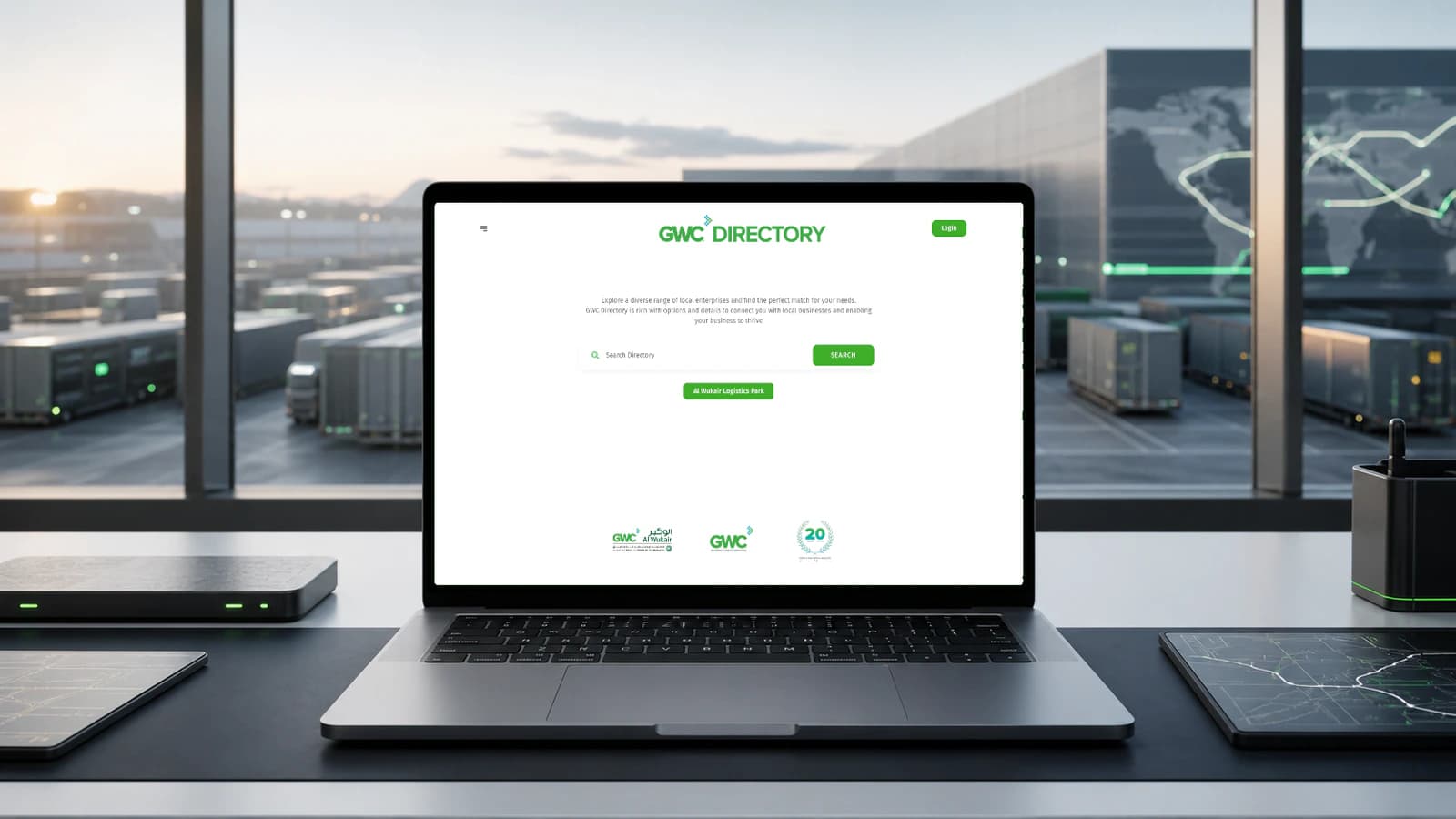
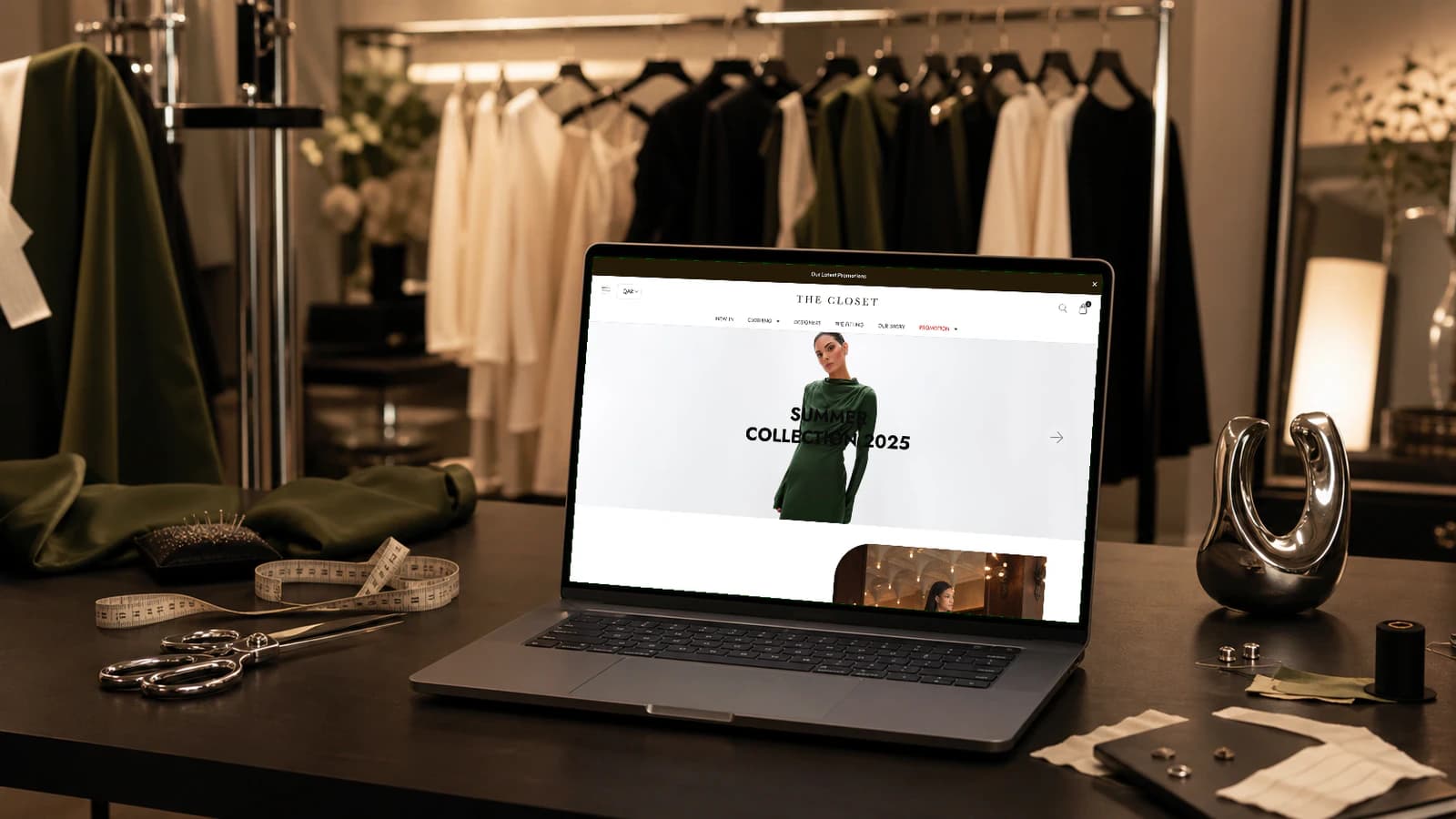
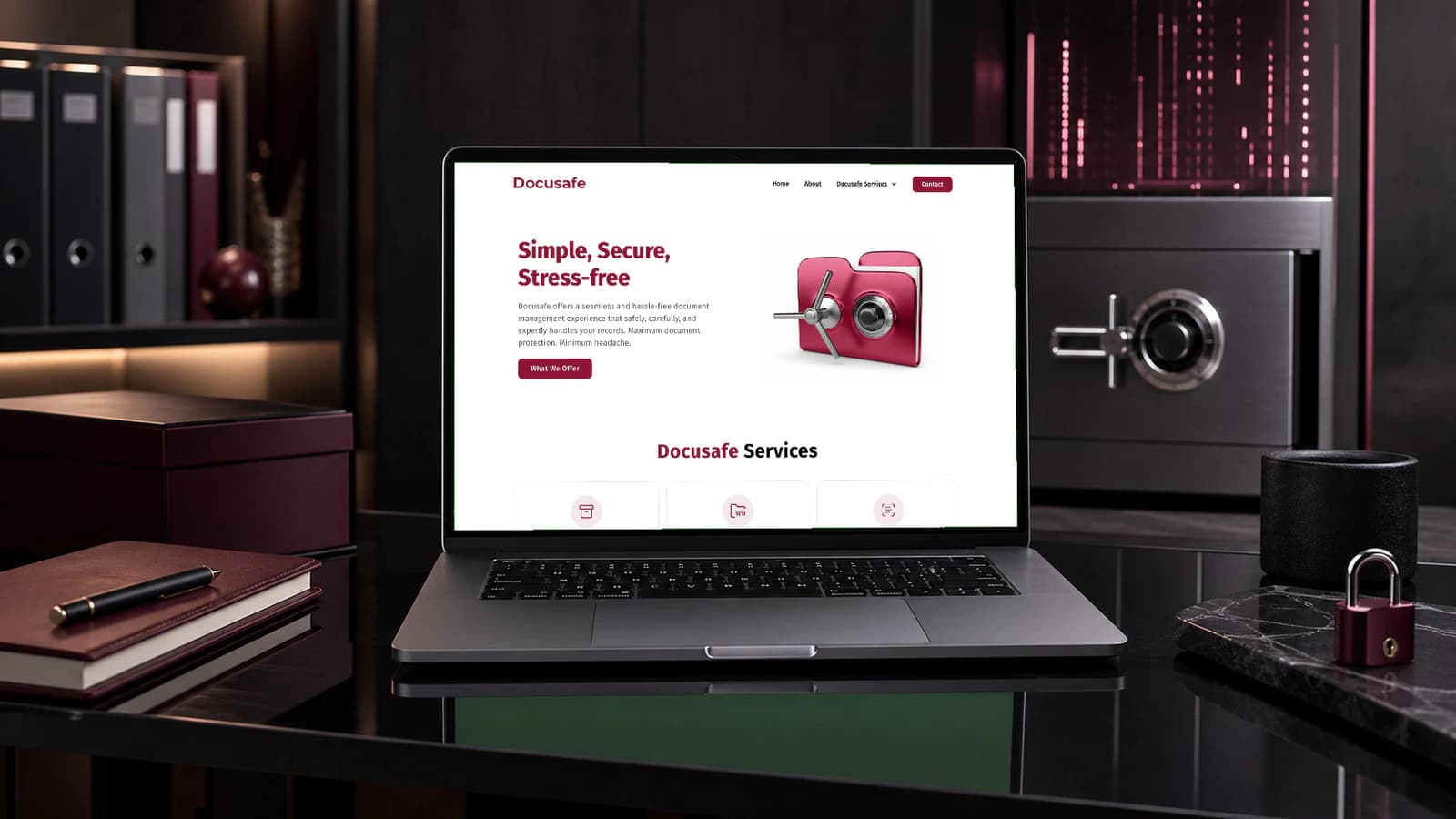
The proof here is relevant rather than local: three Qatar builds, the GWC Directory logistics platform, The Closet fashion store and the BEAT fitness site, plus the Docusafe corporate technology site.
Questions from Chicago clients.
No. Xsofty is based in Islamabad and has no office outside it. We work remotely, with calls and review sessions in Chicago working hours, written scope and decisions, and staged design and development checkpoints.
More in United States
Further reading
- Hiring an Islamabad web agency from the UK or US
Prices in USD, call hours for your time zone, and the contracts, VAT and tax forms UK and US clients ask about.
Sources for this page (22)
- Chicago has the most diverse economy among US metros; priority industries include manufacturing, transportation and logistics, food innovation and manufacturing, life sciences, and finance and fintech worldbusinesschicago.com (opens in a new tab)
- World Business Chicago's key industries include life science and healthcare, food and agtech, transportation and logistics, manufacturing, and fintech worldbusinesschicago.com (opens in a new tab)
- Food Dive headline: Chicago is the nation's capital of food and beverage manufacturing fooddive.com (opens in a new tab)
- AFP 2025 Digital Payments Survey (via Nacha): 26% of B2B payments involved paper checks, down from 81% in 2004 nacha.org (opens in a new tab)
- Illinois remote retailers: 200-transaction threshold removed from January 1, 2026; $100,000 cumulative gross receipts threshold over a 12-month lookback; destination-based local rate; IDOR assesses tax at 15% on sales to undetermined locations when the seller fails to provide sufficient information tax.illinois.gov (opens in a new tab)
- Chicago Personal Property Lease Transaction Tax rate is 15% of the lease or rental price for all leases from January 1, 2026 chicago.gov (opens in a new tab)
- Chicago lease tax applies when a customer in Chicago makes remote use of a provider's computer or software, even if it is located outside the city; the ordinance includes exemptions, such as for certain small new businesses chicago.gov (opens in a new tab)
- Illinois Automatic Contract Renewal Act (815 ILCS 601/10) applies to offers to consumers: clear and conspicuous disclosure, free-trial cancellation before the consumer pays, online cancellation for offers accepted online codes.findlaw.com (opens in a new tab)
- McCormick Place describes itself as North America's largest and most versatile convention center mccormickplace.com (opens in a new tab)
- FTC Rule on Unfair or Deceptive Fees covers live-event tickets and short-term lodging, requires the total price to be displayed more prominently than other pricing, effective May 12, 2025 ftc.gov (opens in a new tab)
- Federal Reserve 2026 Diary of Consumer Payment Choice: 16 credit card, 15 debit card and 6 cash payments per consumer per month frbservices.org (opens in a new tab)
- Illinois has no comprehensive consumer privacy framework; the proposed Illinois Personal Information Privacy Act failed to pass practiceguides.chambers.com (opens in a new tab)
- BIPA requires a public written retention policy, written notice of collection, purpose and term, and a written release before collecting biometric identifiers codes.findlaw.com (opens in a new tab)
- BIPA class actions against retailers' virtual try-on tools for makeup, eyewear, jewelry and hair dye afslaw.com (opens in a new tab)
- Illinois PIPA requires breach notice to residents, and notice to the Attorney General if more than 500 Illinois residents are notified dwt.com (opens in a new tab)
- CCPA applies to for-profit businesses that do business in California and meet a revenue or data threshold cppa.ca.gov (opens in a new tab)
- Illinois Human Rights Act amendment (Public Act 103-0804), effective January 1, 2026: discriminatory AI use in recruitment, hiring, promotion, discharge and other decisions, zip-code proxy ban, notice requirement; IDHR adopts rules on notice grsm.com (opens in a new tab)
- DOJ 2022 guidance: ADA requirements apply to goods and services offered by public accommodations on the web; businesses have flexibility in how they comply ada.gov (opens in a new tab)
- DOJ interim final rule (April 20, 2026) extended ADA Title II web compliance for public entities of 50,000+ population from April 24, 2026 to April 26, 2027; WCAG 2.1 AA remains the standard duanemorris.com (opens in a new tab)
- IITAA 2.1 Standards: WCAG 2.1 Level AA for State of Illinois entities including public universities doit.illinois.gov (opens in a new tab)
- About one-third of Chicagoans 5+ speak a language other than English at home (2021 ACS); almost 70% of them speak Spanish; next most common are Chinese, Polish, Tagalog, Urdu and Arabic wbez.org (opens in a new tab)
- US daylight saving time runs from 2 a.m. on the second Sunday in March to 2 a.m. on the first Sunday in November; in 2026 from March 8 to November 1 (2027 dates, March 14 to November 7, computed from this rule) nist.gov (opens in a new tab)