Web design for Los Angeles businesses on California terms

Los Angeles
Delivered remotely from Islamabad, Pakistan
Where Los Angeles briefs usually start
Los Angeles is not one market. The county has 88 cities and more than 10 million people, and the industry clusters tracked by its economic development corporation, LAEDC, run from aerospace and biosciences to entertainment, healthcare, sports, and trade and logistics. A freight forwarder in Long Beach and a clothing label in the Arts District share little beyond needing a site that loads quickly on a phone.
The Port of Los Angeles has ranked as the No. 1 container port in the Western Hemisphere every year from 2000 to 2025, and the importers, customs brokers and forwarders around it usually need working tools more than brochures: searchable service listings, quote forms that reach the right desk, and client areas for documents.
Fashion is the other obvious fit; the Fashion District's business improvement district alone covers 107 blocks of downtown. If you sell both direct and wholesale, the site has to serve two buyers at once: shoppers who want fast discovery and checkout, and trade buyers who want line sheets, minimums and a way to open an account.
For creative businesses, the Otis College report on California's creative economy describes structural shifts in film, television and traditional media that have reshaped employment, with a pronounced impact on Los Angeles County. If work used to arrive through industry contacts and referrals, the website now has to do more of the selling: clear services, proof arranged around the client you want next, and an enquiry path that filters out poor fits.
Visitor-facing businesses have a fixed date to plan toward. The Olympic Games run July 14 to 30, 2028, and the Paralympic Games August 15 to 27. A hotel, restaurant group or tour operator that wants accessible, multilingual booking pages in place for that summer should scope it well ahead.
What California law adds to the brief
California law writes a good deal into a website spec. Even a small business is covered by CalOPPA: a commercial website that collects personally identifiable information from California residents must post a privacy policy that lists the categories it collects and who it is shared with, gives an effective date, and says how the site responds to browser do-not-track signals.
The CCPA goes further for businesses over its thresholds: gross annual revenue of $26.625 million (effective January 2025), buying, selling or sharing the personal information of 100,000 or more California residents or households, or earning half of revenue from selling or sharing it. A covered business that sells personal information, or shares it for cross-context behavioral advertising, generally needs a "Do Not Sell or Share My Personal Information" or "Your Privacy Choices" link. It must honor opt-out preference signals such as Global Privacy Control and show visitors whether the signal was processed. The regulations also rule out lopsided consent banners: Accept All beside only More Information is not symmetrical; Accept All beside Decline All is. From January 1, 2027, AB 566 requires browsers to include a setting that sends the opt-out signal.
The US Department of Justice holds that the ADA covers the goods and services that businesses open to the public offer on the web, and California's Unruh Civil Rights Act treats an ADA violation as a state-law violation, with damages of no less than $4,000 per offense. The CCPA regulations point the same way: online privacy notices must follow a recognized accessibility standard, and the regulations name WCAG 2.1 as an example.
Our part is the mechanics: consent tools that give accept and decline equal weight, opt-out signals wired to analytics and advertising tags so those tags actually stop firing, working request forms, and WCAG 2.1 AA as our design and build standard. Your lawyer writes the policy; we make sure the site does what it says.
Pricing, subscriptions and tax at checkout
Since July 1, 2024, Civil Code section 1770 has made it unlawful to advertise or display a price that leaves out mandatory fees; only government taxes and fees on the transaction and actual shipping costs may be excluded. For a venue with ticket fees or a store with a processing fee, that is a product and cart design decision, not a line in the terms. Restaurants, bars and grocers get a narrower carve-out: a mandatory charge on food and drink can stay separate only if it is shown clearly, with its purpose, on any menu, advertisement or other display that carries the price.
Subscriptions carry their own rules. Under the Automatic Renewal Law, for contracts made, amended or extended from July 1, 2025, a customer who signs up online must be able to cancel online, through a prominent link or button or a pre-formatted termination email, without steps that obstruct or delay it. A retention offer during online cancellation needs a "click to cancel" link beside it. The business also owes an acknowledgment that explains how to cancel, and an annual reminder on yearly plans. That touches account pages, email flows and whichever subscription app the store runs.
Sales tax is not one number. At rates effective July 1, 2026, the City of Los Angeles is at 9.75 percent, Pasadena and Long Beach at 10.5 percent, and Santa Monica at 10.75 percent. A store shipping across the county should use the platform's address-based tax settings, confirmed with your accountant, rather than a flat rate. We set up card and wallet payments through the platform's own processor and keep the mobile checkout short.
Languages, and the proof we can show
English-only is a choice worth questioning here. Los Angeles County provides election information and assistance in 23 languages, from Spanish, Korean and Armenian to Farsi, Tagalog, Vietnamese and Urdu.
For some businesses language is also a legal matter. Under Civil Code section 1632, a business that negotiates primarily in Spanish, Chinese, Tagalog, Vietnamese or Korean must provide a translation before signing certain agreements, including residential leases longer than a month. CCPA-covered businesses must also make their privacy disclosures available in the languages they ordinarily use for contracts, disclaimers and sale announcements with Californians. If your leasing team works in Korean, the website and its privacy notice should probably work in Korean too.
We deliver multilingual sites, including right-to-left Arabic and Farsi, with a separate URL for each language so each version can be indexed on its own.
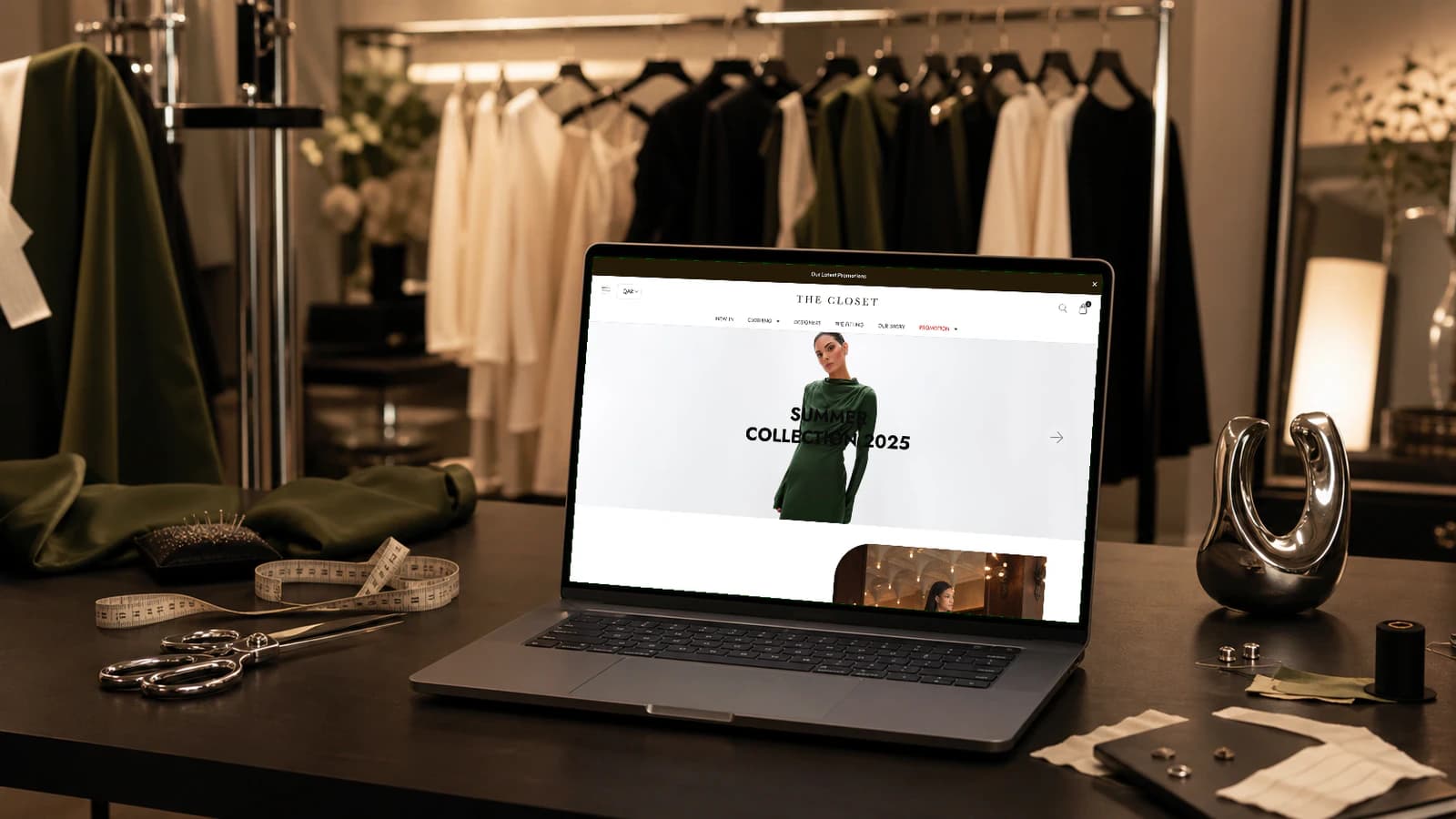
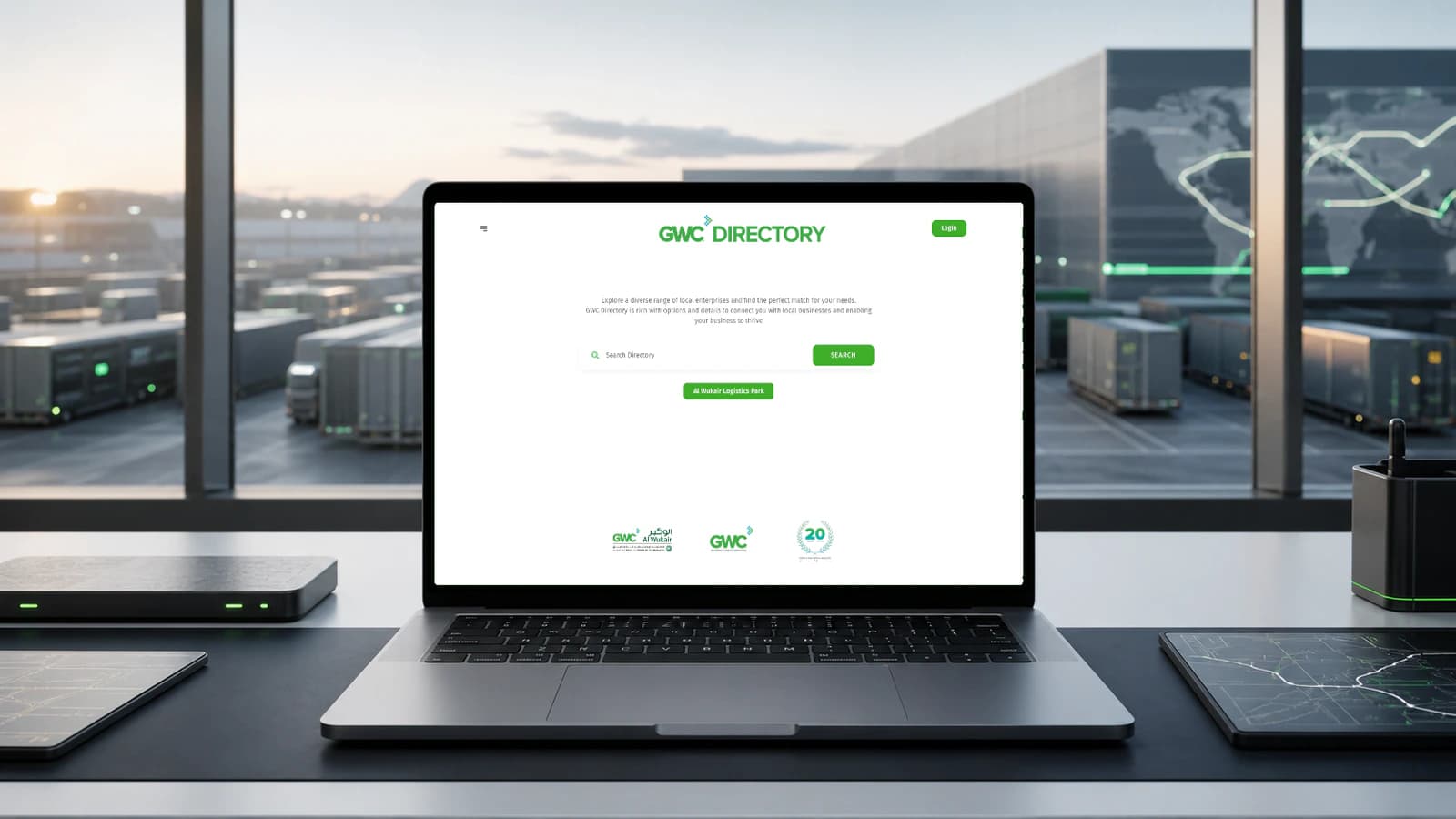
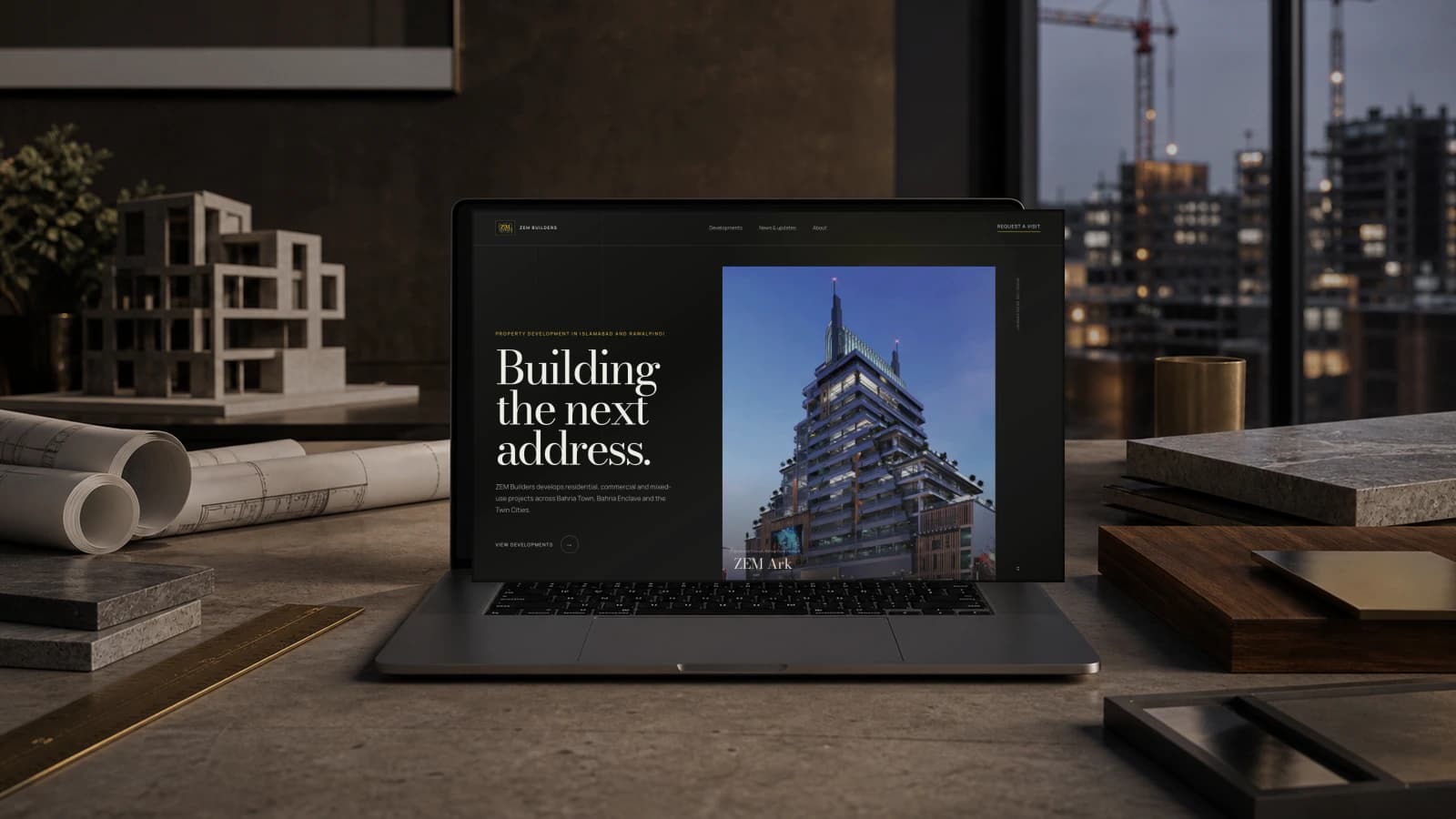
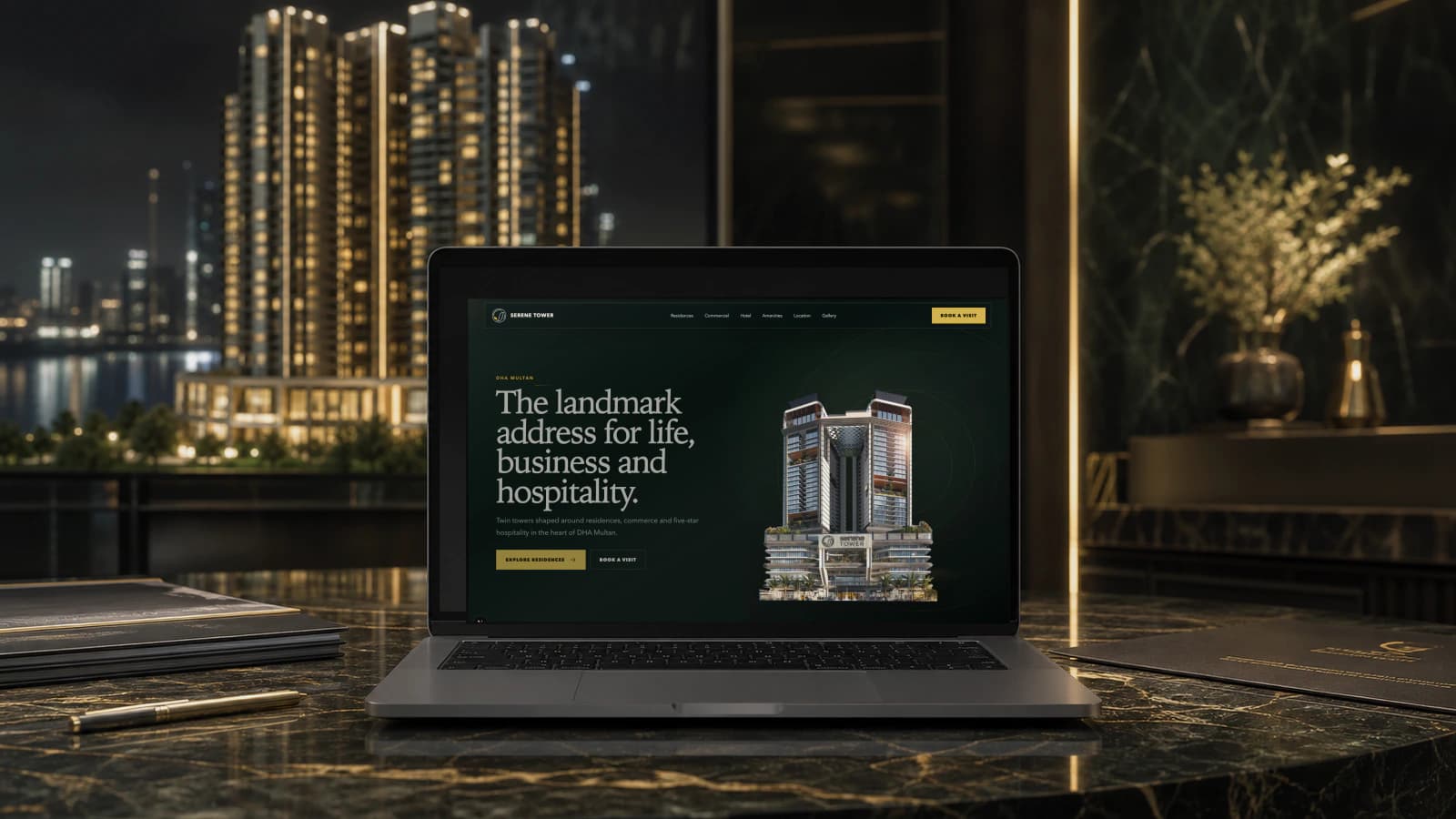
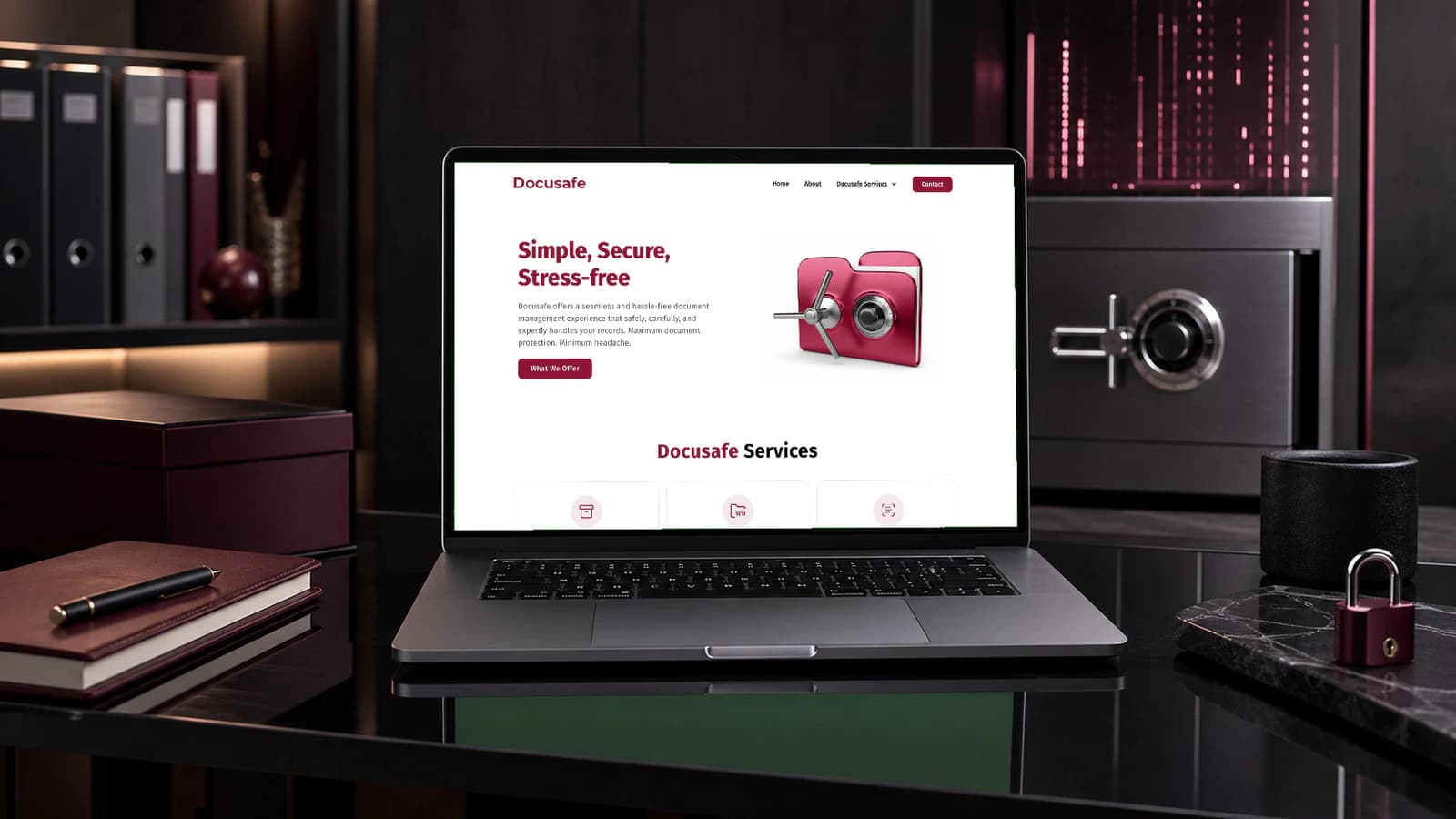
On proof, the projects closest to a Los Angeles brief come from other markets. The Closet, a fashion storefront, and GWC Directory, a logistics directory platform, were both built for clients in Qatar. Our real estate work for developers in Pakistan includes ZEM Builders' project atlas and the Serene Tower launch site in DHA Multan. Docusafe, a corporate technology site, is the reference for selling a technical service to decision-makers.
Islamabad to Los Angeles
12,390 km from our team in Islamabad.
Working across time zones.
Islamabad is 12 hours ahead of Los Angeles during daylight saving time and 13 hours ahead the rest of the year, so live calls sit in your morning and our working day runs while you sleep.
Los Angeles observes daylight saving time from 2 a.m. on the second Sunday in March to 2 a.m. on the first Sunday in November (March 8 to November 1 in 2026). During that period it is on Pacific Daylight Time (UTC-7), and the rest of the year on Pacific Standard Time (UTC-8); Islamabad stays on UTC+5 all year with no daylight saving. During PDT the gap is 12 hours: 8 to 11 a.m. in Los Angeles is 8 to 11 p.m. in Islamabad, and the Islamabad working day of 9 a.m. to 6 p.m. runs from 9 p.m. the previous evening to 6 a.m. Los Angeles time. During PST the gap is 13 hours: 8 to 10 a.m. in Los Angeles is 9 to 11 p.m. in Islamabad, and 9 a.m. to 6 p.m. in Islamabad is 8 p.m. the previous evening to 5 a.m. in Los Angeles. We schedule calls and review sessions in your working hours, and the Los Angeles morning is the easiest window for both sides. An end-of-day update from Islamabad reaches you before your day starts.
What a build in Los Angeles needs.
Privacy: CalOPPA and the CCPA/CPRA
Any commercial site that collects personally identifiable information from Californians needs a posted CalOPPA privacy policy, including how it handles do-not-track signals. Businesses over the CCPA thresholds that sell personal information, or share it for cross-context behavioral advertising, also need a Do Not Sell or Share (or Your Privacy Choices) link, Global Privacy Control support with a visible confirmation that the signal was processed, and consent banners where declining is as easy as accepting. We build the consent tooling, tag suppression and request forms; your lawyer approves the policy text.
Accessibility under the ADA and the Unruh Act
The US Department of Justice's position is that the ADA covers the websites of businesses open to the public, and California's Unruh Act treats an ADA violation as a state-law violation with statutory damages of at least $4,000 per offense. We use WCAG 2.1 AA as the working standard for color contrast, keyboard access, form labels, focus states, alt text and video captions, check key journeys before launch, and can re-check new content under a care plan.
Fee-inclusive pricing and click-to-cancel subscriptions
Displayed prices must include mandatory fees other than government taxes and shipping, with a narrower disclosure rule for restaurants, bars and grocers. Online subscriptions need online cancellation, a "click to cancel" link beside any retention offer, an acknowledgment explaining how to cancel and an annual reminder on yearly plans. We design product pages, carts, account areas and email flows around these rules from the start instead of patching them in after launch.
Address-based sales tax and card-first checkout
Rates differ by city inside Los Angeles County: 9.75 percent in the City of Los Angeles, 10.5 percent in Pasadena and Long Beach, and 10.75 percent in Santa Monica (effective July 1, 2026). We configure address-based tax in Shopify or WooCommerce for your accountant to confirm, and set up card and wallet payments through the platform's own processor with a short mobile checkout.
Multilingual and right-to-left pages
Los Angeles County runs election services in 23 languages. Civil Code 1632 requires translations of certain contracts, including longer residential leases, negotiated primarily in Spanish, Chinese, Tagalog, Vietnamese or Korean, and CCPA-covered businesses must offer privacy disclosures in the languages they ordinarily use with Californians. We build language versions with their own URLs and hreflang tags, including right-to-left layouts for Arabic and Farsi, and keep navigation and forms consistent across versions. Legal pages should be translated by a qualified translator.
What Xsofty can build for Los Angeles clients.
Web Design & Development
High-performance websites shaped around your brand, your audience, and the outcomes that matter.
- Strategy
- Next.js
- CMS
E-Commerce Development
Fast, frictionless storefronts that turn discovery into purchase across every screen.
- Shopify
- WooCommerce
- Conversion
Custom Web Apps & AI Integrations
Purpose-built platforms and useful AI workflows that remove friction from complex operations.
- Web apps
- Automation
- AI
SEO & Digital Growth
Search foundations, content direction, and measurable improvements designed to compound over time.
- Technical SEO
- Content
- Analytics
Website Maintenance & Care Plans
Proactive updates, monitoring, and support that keep your digital presence secure and performing.
- Support
- Security
- Performance
Who we build for in Los Angeles.
Trade and logistics
Searchable service directories, quote and booking forms routed to the right desk, client areas for shipping documents, and B2B pages written for procurement teams. GWC Directory, a logistics directory platform for a client in Qatar, is the closest reference.
Fashion and apparel
Mobile-first storefronts built around product discovery, prices that include mandatory fees, compliant subscription and cancellation flows where relevant, and a separate path for wholesale enquiries. The Closet, a fashion e-commerce build for a client in Qatar, is the relevant proof.
Entertainment and creative services
Sites that sell services directly: work grouped by the kind of client you want next, captioned reels, fast-loading media, and enquiry forms that qualify a project before the first call.
Hospitality, food and visitor businesses
Accessible, multilingual booking and menu pages with mandatory charges disclosed the way California requires, in place well ahead of visitor peaks such as the 2028 Olympic and Paralympic Games.
Real estate and property management
Project and listing pages, enquiries routed to sales or leasing, and language versions that match how leases are actually negotiated. Our real estate sites for developers in Pakistan, including ZEM Builders and Serene Tower, show the approach.
Aerospace, biosciences and healthcare suppliers
Capability pages written for technical buyers, RFQ and contact forms that collect only what is needed, and careful treatment of sensitive personal information under the CCPA.
Relevant work
The closest proof comes from other markets: a fashion storefront and a logistics directory platform for clients in Qatar, and real estate launch sites for developers in Pakistan.
Questions from Los Angeles clients.
Usually, yes. CalOPPA covers any commercial website that collects personally identifiable information from California residents and has no revenue threshold. It requires a posted policy that lists the categories collected and shared, gives an effective date and explains how the site responds to do-not-track signals. The CCPA's extra duties start at its thresholds, such as $26.625 million in gross annual revenue. Your lawyer should confirm which rules apply; we build the site to match.
More in United States
Sources for this page (19)
- Los Angeles County has grown to 88 cities and a population of more than 10 million lacounty.gov (opens in a new tab)
- LAEDC industry clusters: aerospace, defense and space commercialization; biosciences; entertainment; healthcare; sports; trade and logistics laedc.org (opens in a new tab)
- Port of Los Angeles has ranked as the No. 1 container port in the Western Hemisphere for 26 consecutive years (2000-2025) portoflosangeles.org (opens in a new tab)
- The LA Fashion District BID serves a 107-block area of downtown Los Angeles fashiondistrict.org (opens in a new tab)
- Structural shifts in film, television and traditional media have reshaped employment patterns, with a pronounced impact on Los Angeles County (2026 Otis College Update on the Creative Economy) otis.edu (opens in a new tab)
- LA28 Olympic Games July 14-30, 2028; Paralympic Games August 15-27, 2028 la28.org (opens in a new tab)
- CalOPPA (BPC 22575): operators of commercial websites collecting PII from California residents must post a privacy policy identifying categories of PII collected and third parties shared with, its effective date, and how the operator responds to do-not-track signals leginfo.legislature.ca.gov (opens in a new tab)
- CCPA thresholds ($26.625 million gross annual revenue effective January 1, 2025; 100,000 or more consumers or households; 50% of revenue from selling or sharing); Do Not Sell or Share / Your Privacy Choices link; businesses must honor opt-out preference signals such as Global Privacy Control; sharing refers to cross-context behavioral advertising cppa.ca.gov (opens in a new tab)
- CCPA regulations, Title 11, effective 1/1/2026 (the PDF's filename says 'statute' but the document is the regulations): 7003(b)(2) disclosures in the languages the business ordinarily uses with California consumers; 7003(b)(3) online notices to follow generally recognized standards 'such as' WCAG 2.1; 7004 symmetry examples ('Accept All' and 'More Information' not symmetrical; 'Accept All' and 'Decline All' can be); 7025(c)(6) business must display whether it processed an opt-out preference signal cppa.ca.gov (opens in a new tab)
- AB 566 (Chapter 465, chaptered October 8, 2025): from January 1, 2027, browsers must include consumer-configurable functionality to send an opt-out preference signal leginfo.legislature.ca.gov (opens in a new tab)
- DOJ position that ADA requirements apply to goods and services offered on the web by businesses open to the public; WCAG cited as helpful technical guidance ada.gov (opens in a new tab)
- Unruh Civil Rights Act: a violation of the ADA also constitutes a violation of Civil Code section 51 (subdivision f) leginfo.legislature.ca.gov (opens in a new tab)
- Civil Code 52(a): damages for each offense in no case less than $4,000 leginfo.legislature.ca.gov (opens in a new tab)
- Civil Code 1770(a)(29): unlawful to advertise or display a price excluding mandatory fees other than government-imposed taxes or fees and actual shipping costs; (D) exemption for food and beverage charges by restaurants, bars, food concessions, grocery stores, grocery delivery services and banquet/catering menus if clearly and conspicuously displayed with an explanation of purpose on any advertisement, menu or other display containing the price; section operative July 1, 2024 (amended by AB 1170, effective January 1, 2026) leginfo.legislature.ca.gov (opens in a new tab)
- Automatic Renewal Law (BPC 17602): online sign-ups must allow online cancellation via prominent link/button or termination email without steps that obstruct or delay; retention offers during online cancellation must be shown with a 'click to cancel' link (e)(2); acknowledgment with cancellation information; annual reminder for annual agreements (h)(1); amendments apply to contracts entered into, amended or extended on or after July 1, 2025 leginfo.legislature.ca.gov (opens in a new tab)
- Sales and use tax rates effective July 1, 2026: City of Los Angeles 9.75%, Pasadena 10.5%, Long Beach 10.5%, Santa Monica 10.75% cdtfa.ca.gov (opens in a new tab)
- Los Angeles County offers election information, materials and assistance in 23 languages, including Spanish, Korean, Armenian, Farsi, Filipino/Tagalog, Vietnamese and (by phone and in person) Urdu lavote.gov (opens in a new tab)
- Civil Code 1632: a person in trade or business negotiating primarily in Spanish, Chinese, Tagalog, Vietnamese or Korean must provide a translation before execution of covered contracts, including residential leases longer than one month leginfo.legislature.ca.gov (opens in a new tab)
- US daylight saving time begins at 2 a.m. on the second Sunday of March and ends at 2 a.m. on the first Sunday of November; in 2026, March 8 to November 1 nist.gov (opens in a new tab)